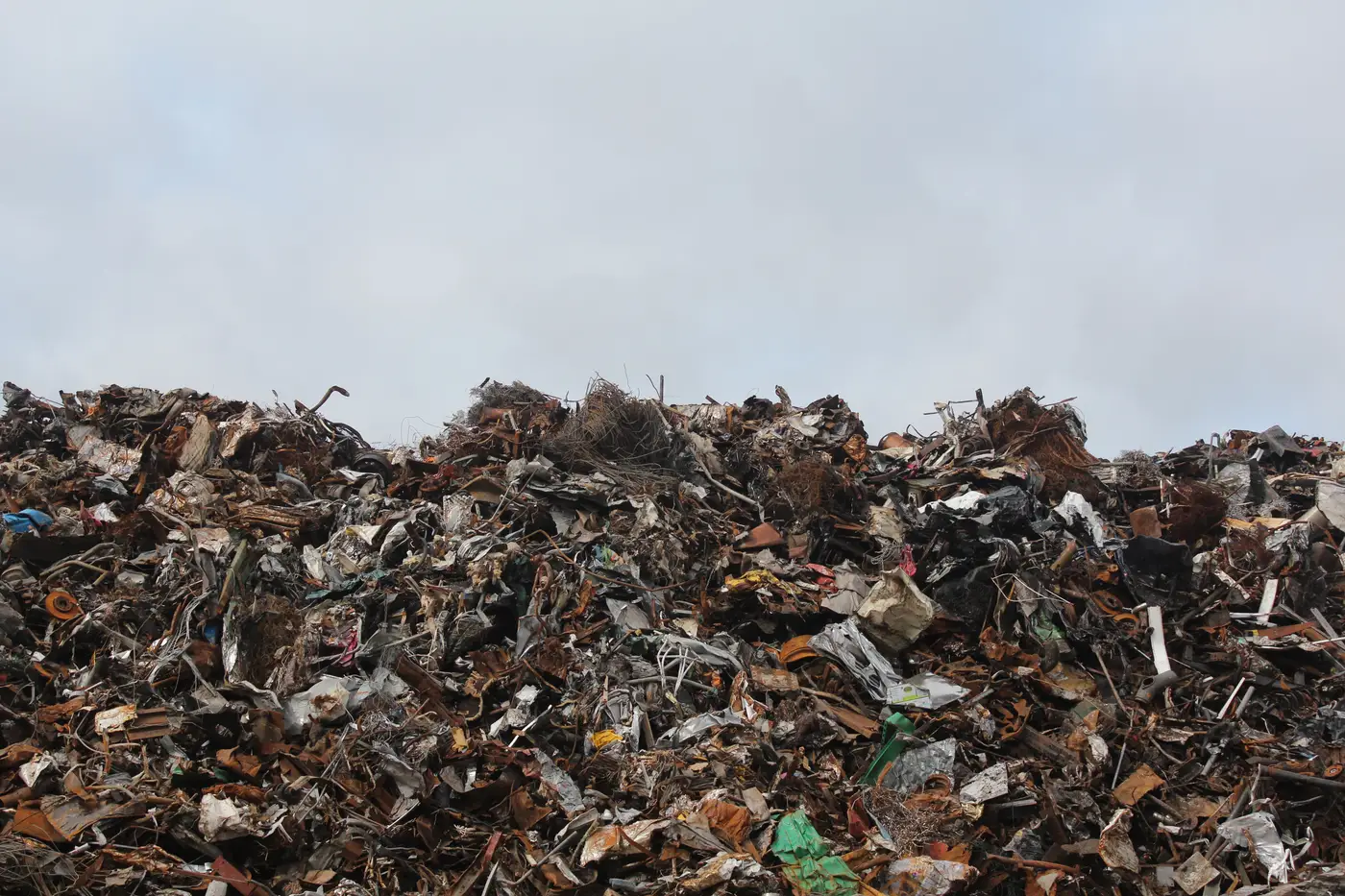
There's a particular kind of pile every compliance inspector has stood in front of at least once. It's not the one that's always been too big. Those get written up, get a corrective action plan, get watched. It's the other kind: the pile that was fine in March, fine on paper and fine on the ground, and by the September visit it's three feet over the stacking height in the permit and creeping toward the fence line nobody thought to measure against.
Nothing dramatic happened in between. No dumping violation, no midnight load, no obvious bad actor. Scrap prices moved. A hauler who used to take the shredder feed twice a month started coming once. The yard kept doing exactly what it always does, taking in material at the same pace, and the output side just slowed down enough that six months later the ferrous pile in the northeast corner is sitting at a volume nobody on staff would admit to if you asked them cold.
That's the shape most permit exceedances actually take. Not a breach, a drift. And drift is the hardest thing to catch on a visit cycle that runs quarterly or, for plenty of facilities on a jurisdiction's lower-tier list, once a year.
I used to pace yards off with a hundred-foot tape and eyeball cubic yards against the storage cap in the permit, which is a fine method for the day you're standing there and useless for every other day of the year. You get a clean number for one Tuesday in April and then you're flying blind until the next scheduled visit, trusting that whatever the facility reports in between is the full picture. Most operators aren't hiding anything. They're just not measuring their own pile against the permit line the way an inspector would, because that's not their job, it's yours.
The months between visits are where the real exposure lives. A facility with a permitted cap of, say, 5,000 cubic yards of mixed ferrous can run well under that for eleven months and blow through it for three weeks in the twelfth, right when a downstream mill goes offline for maintenance and stops taking shipments. If your visit lands in month eleven, you sign off on a yard that looks compliant and has no idea it's about to not be. If it lands during that three-week spike, you write a notice for something that's already correcting itself as the mill comes back online. Either way, the visit snapshot tells you less than you'd like about the pattern underneath it.
What would help is something closer to a flight log than a photo. Did the pile grow steadily for four months and then plateau? Did it spike and fall back inside of three weeks? That's the difference between a facility that needs a letter and a facility that needs an enforcement conversation, and right now most inspectors only get to ask that question after the fact, once a complaint or a routine visit happens to catch the wrong month.
This is the gap Recycling Facility Map is built to close: a monthly read on what's stacked at a yard, estimated from overhead imagery, checked against what the permit allows, so the pile that grew between two visits shows up before visit three instead of getting explained away at visit three. Walking the yard to check bale wire and flag comingled material is still the inspector's job. This just means that walk starts with a trend line already in hand, instead of a cold read on a single Tuesday.
Next time a facility's storage numbers look suspiciously tidy on the day you show up, it's worth asking what the months in between looked like, and worth having a way to check.