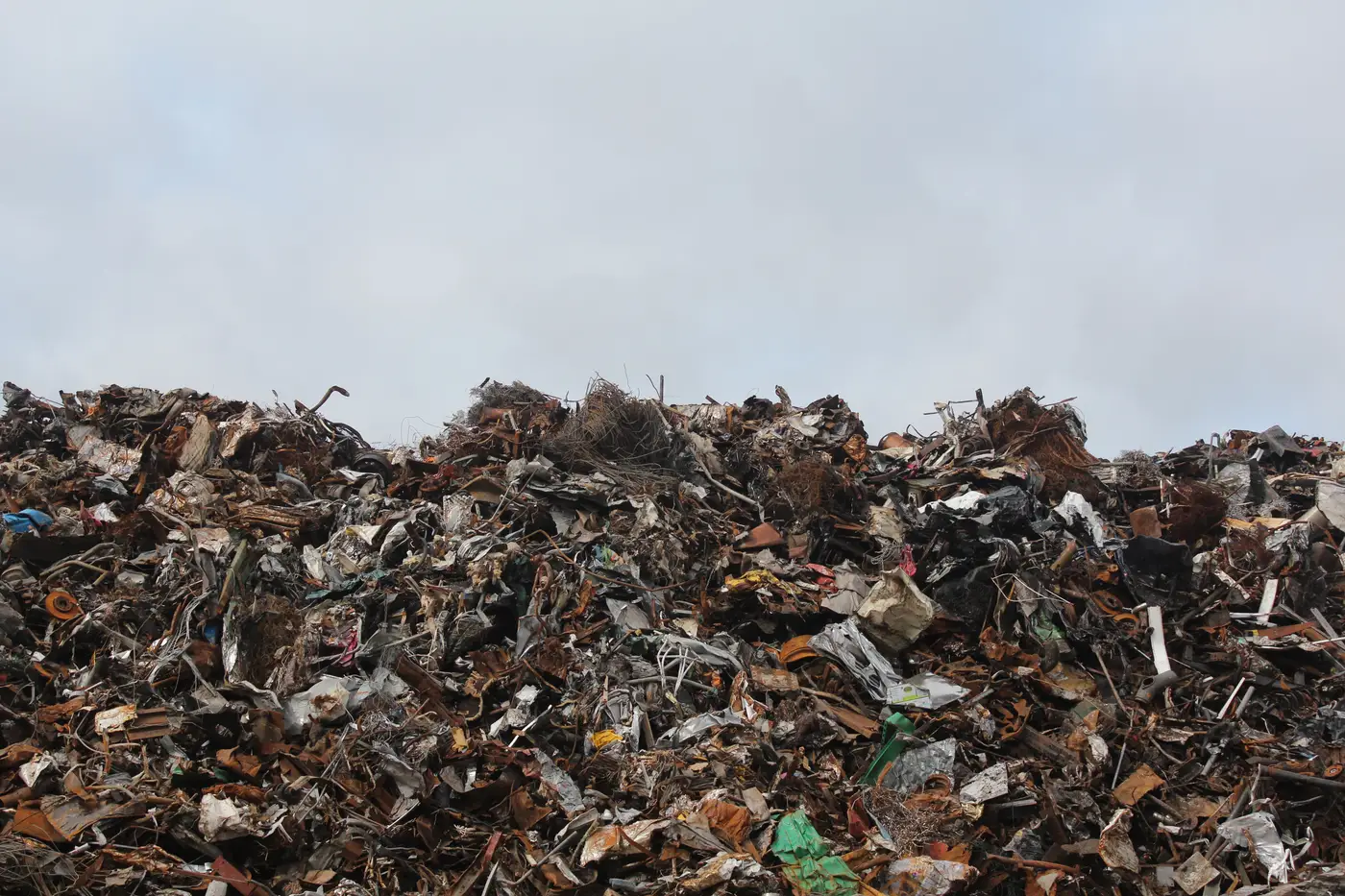
Most state and local recycling or scrap yard permits don't just cap how much material you can have on site. A lot of them also cap how long that material can sit there before it has to move. That second number is the storage duration limit, and it trips up more operators than the volume cap does, because nobody's watching a clock on a pile the way they're watching a scale ticket.
What a storage duration limit actually says
A duration limit is a permit condition that sets a maximum residence time for stored material, usually written as something like "ferrous scrap shall not remain on site longer than 180 days" or "processed material shall be removed within 90 days of receipt." Some permits tie it to material class: baled plastic gets one window, shredded tire gets another, C&D fines get a third. Others set a single blanket number for anything that crosses the scale.
The logic behind it isn't arbitrary. Regulators use duration limits to keep a facility operating as a processing site instead of a de facto landfill or an uncontrolled storage yard. A pile that's been sitting since spring isn't "inventory," it's a fire load, a vector problem, and in a lot of jurisdictions it's also the thing that turns a routine inspection into an enforcement letter.
The hard part for an inspector is that the permit doesn't tell you when the clock started. Intake logs are supposed to cover that, but logs get backfilled, mixed loads get commingled with older stock, and a pile that looks identical from one visit to the next can hide a complete turnover or eight months of no movement at all.
Storage duration vs. storage volume: two different numbers, two different violations
It helps to keep these separate, because a facility can be clean on one and in breach on the other.
- Volume limit: how much material can be on site at any given time, usually expressed in tons, cubic yards, or a maximum stockpile height and footprint.
- Duration limit: how long any given unit of material can stay there before it's processed, baled, shipped, or otherwise moved off site.
A yard can be well under its volume cap and still be in violation if the oldest material in that pile has been parked past the allowed window. The inverse happens too: a facility can turn material fast enough that duration is never an issue, but still blow past the tonnage cap during a surge week. Writing up a volume finding when the real problem is dwell time, or the other way around, is how a clean follow-up inspection ends up contested.
How long can material sit before it's a violation
There's no universal answer, because the number lives in the individual permit, not in a model code. What's consistent across most permits worth reading closely:
- The clock usually starts at intake, not at the start of processing.
- Seasonal stockpiling exceptions, if the permit has one, are narrow and usually require a separate notification to the permitting authority.
- Mixed or comingled piles don't get a free pass. If the permit can't tell which material is which age, the whole pile is treated as if it's all the oldest lot in it.
If you're holding the permit yourself, pull the exact duration language for each material class and cross-reference it against your intake records before an inspector asks. If you're the one doing the asking, the gap between what the permit allows and what's actually sitting out there is exactly what a monthly read on stored material is built to close. Recycling Facility Map gives you a monthly count and volume estimate of material stacked at a facility, pulled from high-resolution imagery, so the pile-age question has something to anchor to besides a log book.
Pull your permit's duration clause for each material class before your next site visit, and check it against what's on the ground.